CRISPR: Editing DNA Like Text
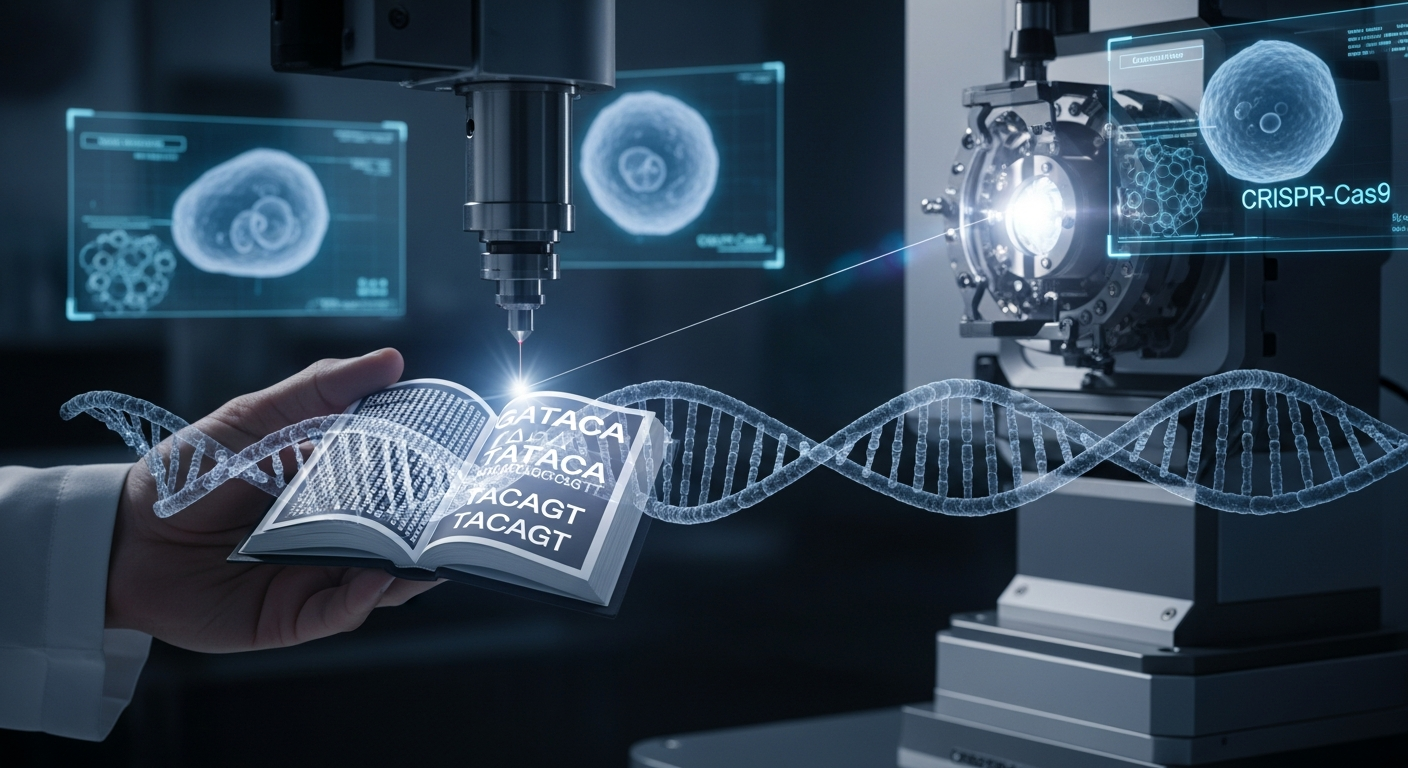 CRISPR lets scientists edit DNA with precision.
A molecular tool for precise edits
By Peter Teoh, Science Writer
CRISPR is a gene-editing system adapted from bacterial defenses. It lets scientists target and cut DNA with remarkable accuracy.
Explainer: How the CRISPR toolkit works
Focus: A guide RNA matches a DNA sequence, and the Cas enzyme cuts at that exact location. The cell then repairs the cut, allowing researchers to disable a gene or insert new DNA.
The technique is powerful but not perfect. Off-target edits and ethical concerns mean strict controls and careful study are needed.
Summary of Key Ideas:
- Guide RNA directs a Cas enzyme to a target.
- Cells repair cuts, enabling edits.
- Precision and ethics are central challenges.
Side Notes
- CRISPR has variants for base editing and gene regulation.
- Delivery into cells is often the hardest step.
Trending Sidebar
- CRISPR therapies in clinical trials.
- Gene drives for disease control.
Leave a comment