Why Your Brain Cannot Feel Pain
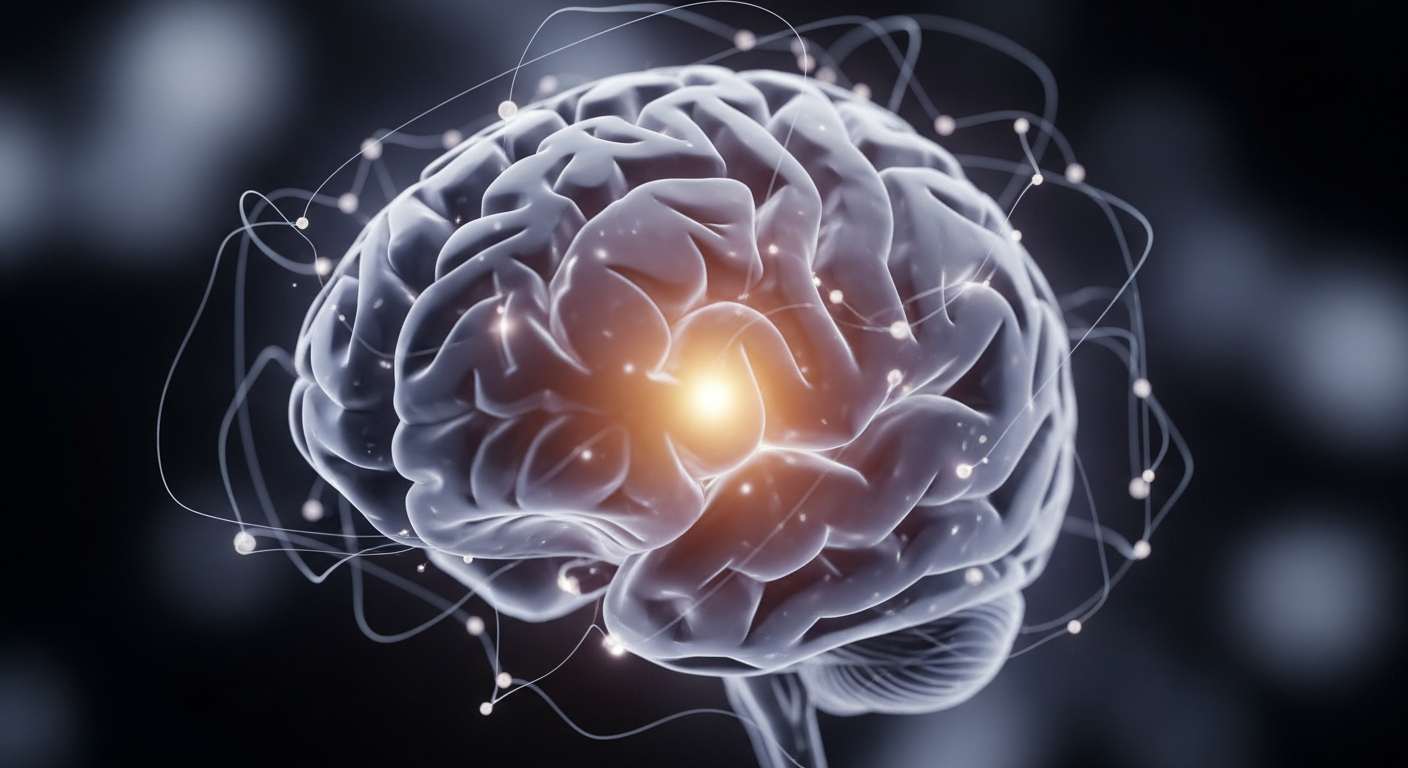 The brain senses pain but does not feel it directly.
Pain signals have limits
By Peter Teoh, Science Writer
The brain processes pain, but it does not feel pain itself. It lacks pain receptors, called nociceptors, within its own tissue.
Explainer: Where pain really comes from
Focus: Pain receptors live in the skin, muscles, and organs, not in the brain tissue. Headaches often come from surrounding structures like blood vessels, sinuses, and the meninges.
Surgeons can operate on the brain while the patient is awake, because the brain itself is insensitive. The paradox is that the organ that perceives pain is not a source of it.
Summary of Key Ideas:
- Brain tissue has no pain receptors.
- Headaches come from nearby structures.
- The brain interprets signals from the body.
Side Notes
- Pain pathways involve spinal and brain circuits.
- Chronic pain can persist even after injury heals.
Trending Sidebar
- Noninvasive brain surgery and mapping.
- New treatments for chronic pain.
Leave a comment