30 Mind-Blowing Infinite Fractions That Reveal Hidden Patterns in Numbers
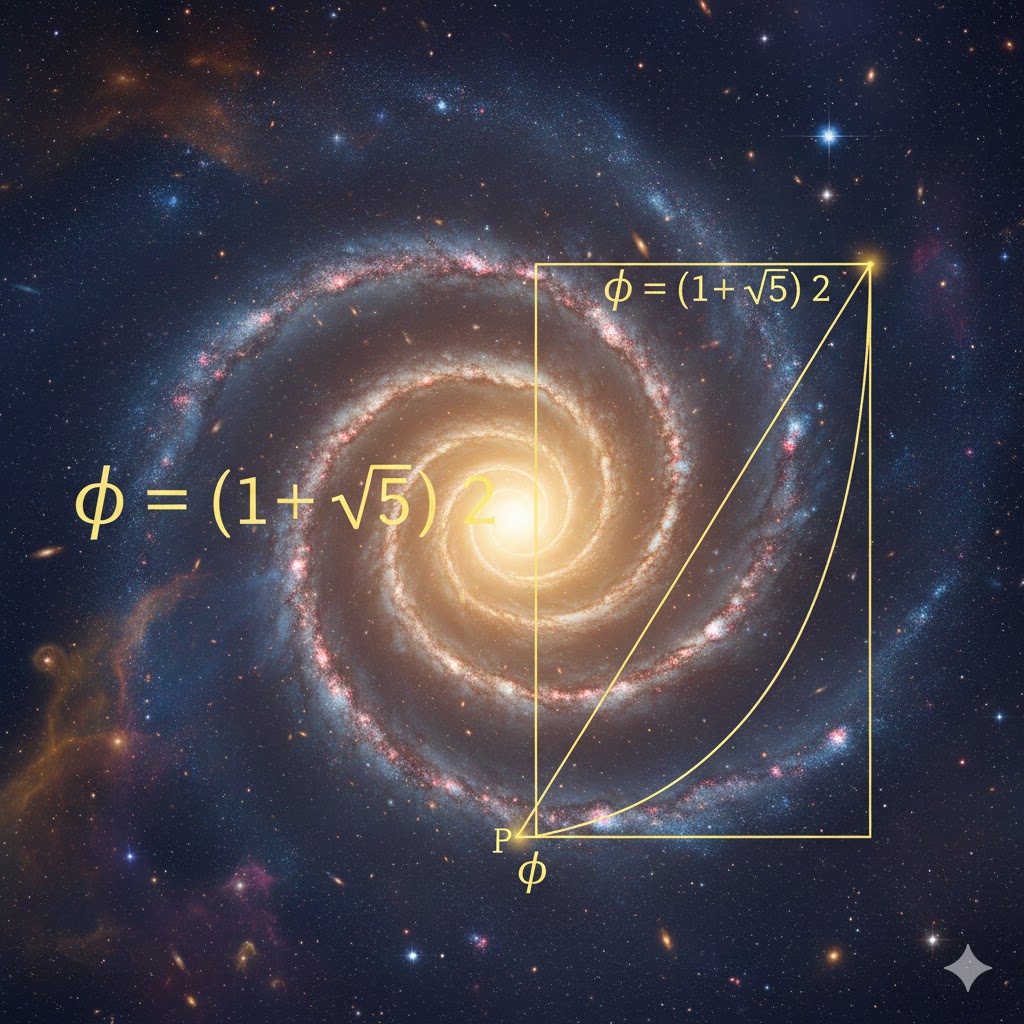 Continued fractions: The infinite patterns hidden inside every number.
The secret language of infinite fractions
By Peter Teoh, Science Writer
Continued fractions are a fascinating and powerful way to represent real numbers—especially irrational ones—with remarkable precision using integers. Below is a list of 30 different popular or mathematically significant continued fractions, including well-known constants, algebraic numbers, and special functions. Each entry includes the number (or expression) and its simple (regular) continued fraction representation, often in compact notation.
1. Golden Ratio
φ = (1 + √5)/2 = [1; 1, 1, 1, 1, …]
2. Square Root of 2
√2 = [1; 2, 2, 2, 2, …]
3. Square Root of 3
√3 = [1; 1, 2, 1, 2, 1, 2, …] = [1; 1̅,̅ ̅2̅]
4. Square Root of 5
√5 = [2; 4, 4, 4, 4, …]
5. Square Root of 6
√6 = [2; 2, 4, 2, 4, …] = [2; 2̅,̅ ̅4̅]
6. Square Root of 7
√7 = [2; 1, 1, 1, 4, 1, 1, 1, 4, …] = [2; 1̅,̅ ̅1̅,̅ ̅1̅,̅ ̅4̅]
7. Square Root of 13
√13 = [3; 1, 1, 1, 1, 6, 1, 1, 1, 1, 6, …] = [3; 1̅,̅ ̅1̅,̅ ̅1̅,̅ ̅1̅,̅ ̅6̅]
8. e (Euler’s Number)
e = [2; 1, 2, 1, 1, 4, 1, 1, 6, 1, 1, 8, …] = [2; 1, 2k, 1] for k = 1, 2, 3, …
9. e²
e² = [7; 2, 1, 1, 3, 18, 5, 1, 1, …] (non-periodic, but known pattern exists)
10. π (Pi)
π = [3; 7, 15, 1, 292, 1, 1, 1, 2, 1, 3, 1, 14, …] (no known simple pattern)
11. π/2
π/2 = [1; 1, 1, 3, 31, 1, 145, …]
12. ln(2)
ln 2 = [0; 1, 2, 3, 1, 6, 3, 1, 1, 2, 1, …]
13. ln(10)
ln 10 = [2; 3, 4, 1, 2, 1, 1, 12, 1, 2, …]
14. Catalan’s Constant G
G = [0; 1, 10, 1, 8, 1, 88, 4, 1, 1, …]
15. Euler–Mascheroni Constant γ
γ = [0; 1, 1, 2, 1, 2, 1, 4, 3, 13, 5, 1, …]
16. √2 − 1
√2 − 1 = [0; 2, 2, 2, 2, …]
17. (√5 − 1)/2 = 1/φ
(√5 − 1)/2 = [0; 1, 1, 1, 1, …]
18. tan(1) (radians)
tan(1) = [1; 1, 1, 3, 1, 5, 1, 7, 1, 9, …] = [1; 1, 2k+1] for k = 0, 1, 2, …
19. coth(1)
coth(1) = [1; 3, 5, 7, 9, 11, …]
20. sinh(1)
sinh(1) = [1; 5, 9, 13, 17, …] = [1; 4k+1] for k = 1, 2, 3, …
21. tanh(1)
tanh(1) = [0; 1, 3, 5, 7, 9, …]
22. √23
√23 = [4; 1, 3, 1, 8, 1, 3, 1, 8, …] = [4; 1̅,̅ ̅3̅,̅ ̅1̅,̅ ̅8̅]
23. Cube root of 2 (approximate CF)
∛2 = [1; 3, 1, 5, 1, 1, 4, 1, 1, 8, 1, 14, …] (not periodic)
24. Apéry’s Constant ζ(3)
ζ(3) = [1; 4, 1, 18, 1, 1, 1, 4, 1, 9, …]
25. 1/π
1/π = [0; 3, 7, 15, 1, 292, 1, 1, 1, 2, …] (reciprocal of π’s CF)
26. Gauss’s Constant G = 1/agm(1,√2)
G = [0; 1, 5, 21, 3, 4, 14, …]
27. Feigenbaum Constant δ ≈ 4.6692…
δ = [4; 1, 2, 43, 2, 13, 1, 1, 1, 4, …]
28. Plastic Constant ρ (real root of x³ = x + 1)
ρ = [1; 3, 12, 1, 1, 3, 2, 3, 2, 4, 2, 141, …]
29. √(2 + √2)
√(2 + √2) = [1; 1, 1, 4, 1, 1, 8, 1, 1, 12, …]
30. e^(1/e)
e^(1/e) = [1; 2, 12, 1, 2, 1, 4, 1, 1, 1, 10, …]
Notes on Continued Fractions
Simple continued fractions use only positive integers after the first term and have the form:
a₀ + 1/(a₁ + 1/(a₂ + 1/(a₃ + ⋯)))
denoted compactly as [a₀; a₁, a₂, a₃, …].
Key insights:
- Quadratic irrationals (like √n for non-square n) always have periodic continued fractions (Lagrange’s theorem).
- Transcendental numbers (e, π, etc.) have non-periodic expansions, though some (like e) show regular patterns.
- Some entries (e.g., ζ(3), γ) are not proven to be irrational via continued fractions alone, but their CFs are computed numerically.
Side Notes
- The Golden Ratio φ = (1 + √5)/2 has the simplest possible continued fraction—all 1s—making it the “most irrational” number.
- Euler’s number e has a beautiful pattern: [2; 1, 2, 1, 1, 4, 1, 1, 6, 1, 1, 8, …] where the pattern 1, 2k, 1 repeats.
- Pi remains mysterious—despite centuries of study, no pattern has been found in its continued fraction.
- The Feigenbaum constant δ appears in chaos theory and describes the rate at which bifurcations occur.
Trending Sidebar
- Golden Ratio Everywhere: From DNA helices to galaxy arms, φ appears throughout nature.
- Why 292? The surprisingly large term in π’s continued fraction makes it exceptionally well-approximated by 355/113.
- Chaos and Constants: How Feigenbaum’s δ connects continued fractions to chaos theory.
- Best Rational Approximations: Continued fractions give the optimal way to approximate any irrational number.
Leave a comment